

Every fortnight or so we’ll bring you some technical updates that we hope you’ll find useful.
Today’s topics are IAB Tech Lab’s Supply Chain Validation tool, the Reuters Digital News Report 2021 and we look more closely at the controversial UK ‘Data Saves Lives’ project.
Supply Chain Validation Tools
Publishers that register for Supply Chain Validation can look forward to automated checks of their ads.txt and/or app-ads.txt files against vendors’ sellers.json files and will receive notifications of any inconsistencies. This will help to ensure the validity of their ads.txt and/or app-ads.txt files and implementation, ensuring that buyers have more confidence in buying from them.
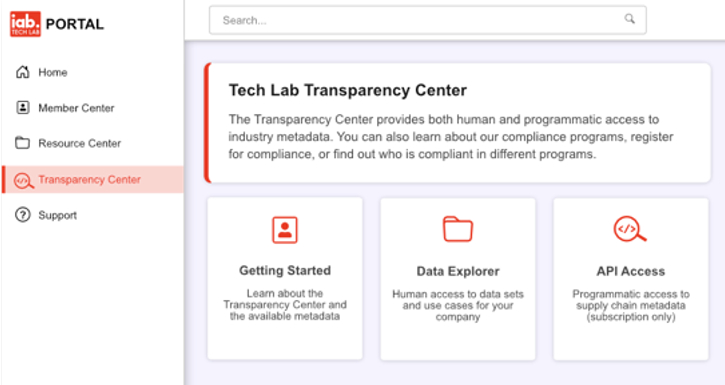
This service will not just verify that your ads.txt and/or app-ads.txt file adheres to the technical specifications, but will also alert you to inconsistencies between your file and the sellers.json file. You’ll be able to check one place to see how your selling partners are representing the relationship.
Some examples of the scenarios that are validated (22 in total) are:
Is the Content Type correct?
Can we access the file without timeout?
Does the location exceed the allowed number of root domain redirects?
Does the location exceed the allowed number of external domain redirects?
Do Advertising System domains listed obey RFC 1123?
For each DIRECT entry: Does the sellers.json file have the publisher account ID listed in my ads.txt file as a seller_id?
For each RESELLER entry: Is the seller_id used only one time in the file?
For each Subdomain: Is “xyz.example.com” a valid subdomain of the root domain?
Overall the validation service offers the following benefits:
- Weekly validation of ads.txt and app-ads.txt files against sellers.json with a standard set of test
cases - Email notifications alerting you to inconsistencies or areas that need further investigation
- Publication of validated results to help buyers gain confidence in authorised supply paths
There is an annual fee of $99 USD (per domain) for this validation service that covers the costs of the automated processes and email notifications and publishers can register directly here
Reuters Digital News Report 2021
The annual Reuters digital news report has just been released, with consumption based upon a YouGov survey of over 92,000 online news consumers in 46 different countries.
Globally, Finland ranked first with overall trust 65% while the US has the lowest level of trust at 29%. The coronavirus pandemic has stoked demand for trusted news in a time of crisis and a clear majority of people across countries believe that news outlets should reflect a range of views and try to be more neutral.
Some take-aways for Australia are below, with additional data points available here.
- Trust in news increased globally over the past 12 months. In Australia, trust in news has risen (+5) to 43%, close to the global average (44%).
- Australians’ interest in news dropped during the pandemic in line with other countries. Interest in the news has been consistently declining among Australian audiences.
- General concern about false and misleading information online in Australia is high (64%), and much higher than the global average (56%).
- Women, younger generations and those with low income are less likely to see themselves or their views as being fairly or sufficiently reflected in the news.
- The majority of Australians (66%) are either unaware that commercial news organisations are less profitable than they were 10 years ago, or they don’t know about the current financial state of the news media.
The timing of these insights coincides with Nielsen’s recently released Digital Media Ratings volumetrics data, which showed that the growth in digital news consumption through 2020 has been sustained thus far in 2021 – with 80%3 of adult Australians turning to digital news sites and apps to stay informed and updated every month.
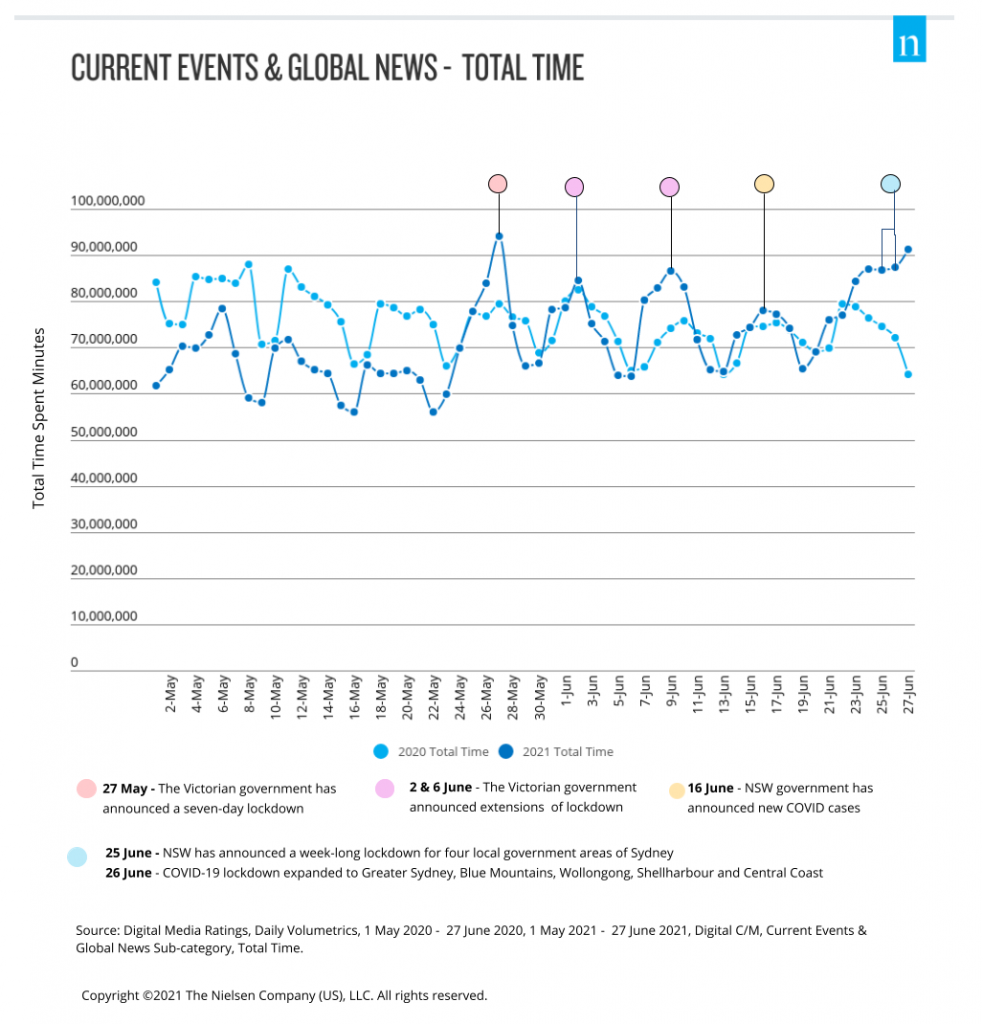
In looking into what has driven the uplift Nielsen found that it was mainly driven by news content being consumed on mobile devices – with the average daily time spent increasing in June by 12% in comparison to the same month last year. The average daily time spent consuming news content in June 2021 on desktop devices, whilst 6% lower than the same month last year, increased by 9% from May 2021.
UK’s Data Saves Lives Project
The UK government recently announced that the GP records of the UK’s 61m registered NHS users are to be gathered into a new database which third parties will be able to access. The new data-sharing scheme formally called the General Practice Data for Planning and Research (GPDPR), will pseudnoymise any patient data it collects and shares. The UK government is trying to reassure the public that this means the data will remain confidential when it’s accessed by academics and the healthcare industry for use in research and health planning.
However the feedback from consumers has been negative and has dramatically driven up demand to opt-out of the scheme. Logistically this is to be managed by individual GP practices by updating patient records and synced with the main NHS Digital data repository before a very aggressive 1st September deadline, when the initial data extractions are scheduled to commence.
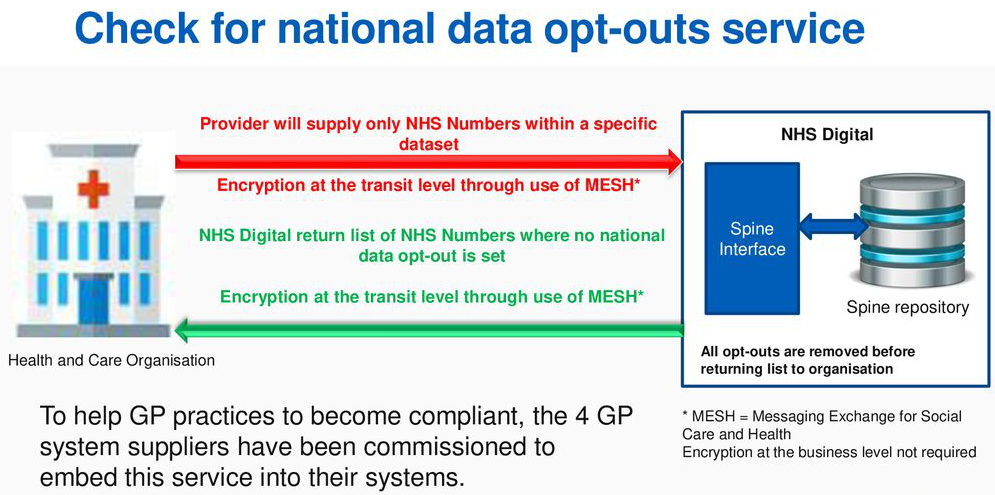
Individual GP practices are now becoming overwhelmed with the admin and many are making it very clear that processing the opt-outs will be a ‘low priority’ if this requirement ends up competing with meeting the health needs of patients. This will very likely also result in many opt-out requests not being managed in good time – and hence will cause further issues down the road…
We’ll be keeping an eye on this one… as there are plenty of lessons to be learnt here for us as an industry in how we engage and empowers consumers in terms of consent, transparency and controls.