

Every fortnight or so we’ll bring you some technical updates that we hope you’ll find useful.
Today’s topics are some recent TikTok Product Updates, Network Advertising Initiative and look at the Colorado Consumer Privacy Act.
TikTok Product Updates
We’ve seen a raft of TikTok product updates recently, including a native solution called Spark Ads. To see a recent case study featuring an Australian brand simply click here.
Additionally the company has recently released a formal update regarding consumer and brand safety including an update that it’ll start to more aggressively review any content with adult nudity, sexual activities, violent and graphic content, minor safety, illegal activities and regulated goods such as drugs and firearms. This will involve both new AI tech as well as manual vetting through its human Safety Teams.
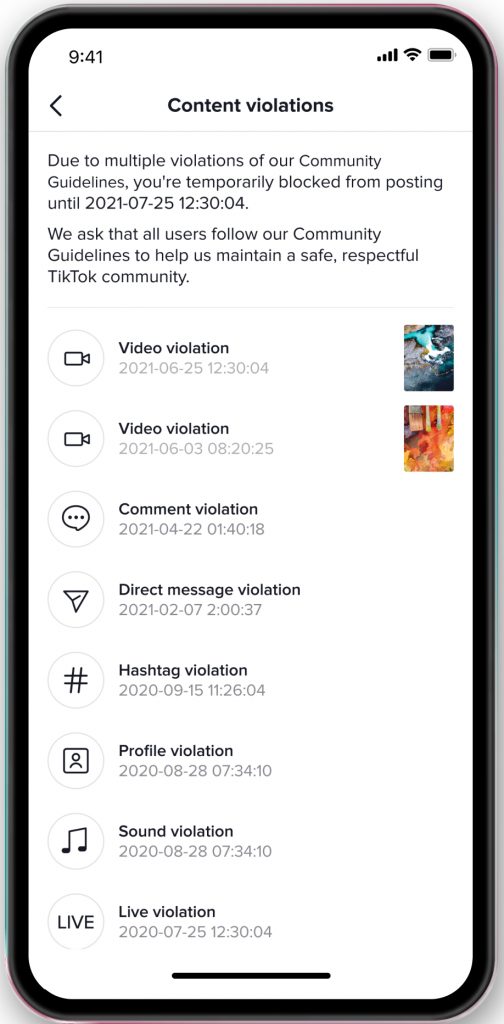
The upgraded system and processes will count violations made by a user, making note of the severity and frequency of any violations. The user will then be duly notified of the consequences, which can be found in the Account Updates section of their Inbox.
Any initial violation will result in a warning. unless the violation is a zero-tolerance policy, in which case they will be banned. After the first violation, the user will have their account suspended for 24 to 48 hours, depending on the severity – at which time they will not be able to upload video, comment, or edit their profile. Creators can appeal any decisions and there is a process laid out for how this can be done.
For more info on this process simply click here.
Network Advertising Initiative
Recently the not-for-profit US-based self-regulatory association called the Network Advertising Initiative (NAI) has released a new way for consumers to opt-out from ad targeting and tracking that uses email matching. This will requires member companies (which includes the likes of Google, Oracle, Criteo and Verizon Media) to provide an opt-out from any services using hashed or encrypted emails as the links between a brand’s customer data and identity graphs and other audience matching systems.
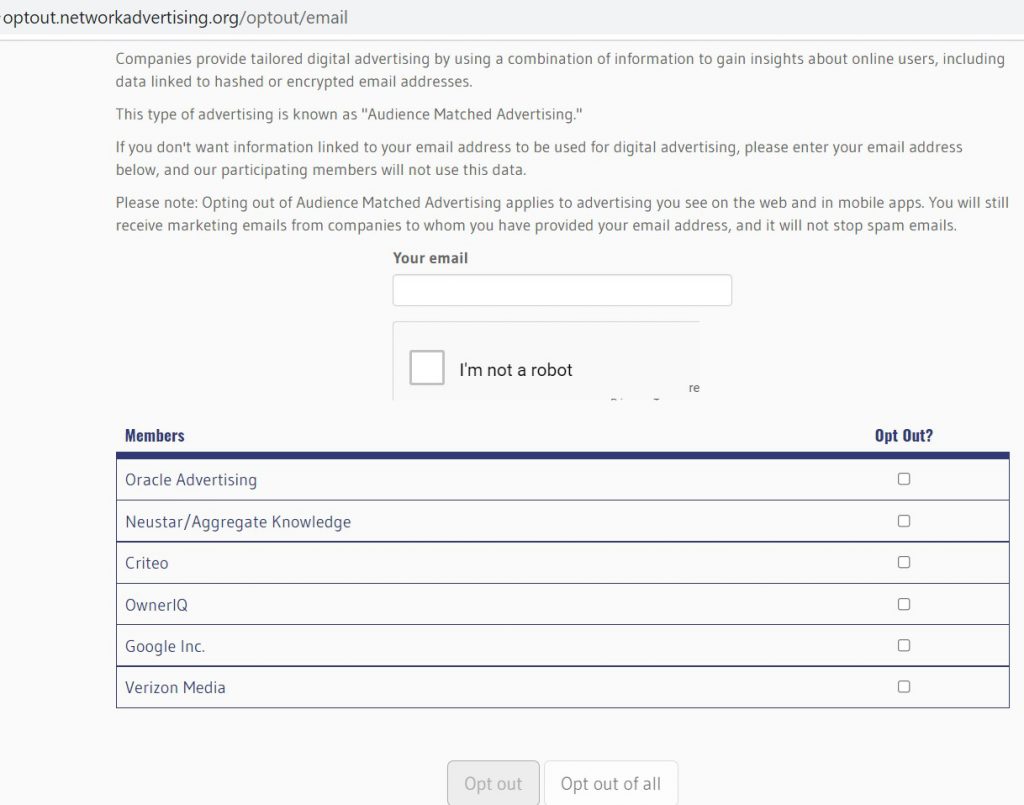
However, there are some large vendors and businesses that are not NAI members, such as LiveRamp and Facebook.
Accompanying the release, the NAI stated that they are “working with its members and with some of the addressability solution providers to better understand these solutions and how they will be utilized by NAI members and the digital advertising industry more broadly, with the aim of issuing future member guidance on the use of shared addressability solutions, as well as the required notice, transparency, and choice.”
We also certainly hope that this is the case and that any independent efforts such as these are concurrently working constructively with IAB Tech Lab and all the recently released specifications for for Responsible Addressability and Predictable Privacy.
Colorado & Virginia Privacy Acts
The push across US states for stricter consumer privacy legislation continues, with the recent news that earlier this month Colorado became the third state to enact comprehensive data privacy legislation, following those already passed in California and Virginia.
These recent legislations have leveraged the approach by the EU’s GDPR by categorising any companies as ‘controllers’ or ‘processors’ and each must accordingly must enter into agreements that govern the processing of any personal data. Also, both Colorado and Virginia define of ‘personal data’ as covering information that is linked or reasonably link-able to an identified or identifiable natural person, excluding any publicly available information or de-identified information. An ‘identified or identifiable’ individual is that can be readily identified, directly or indirectly by reference to an identifier (such as a name, ID number or online identifier) that is part of any personal data.
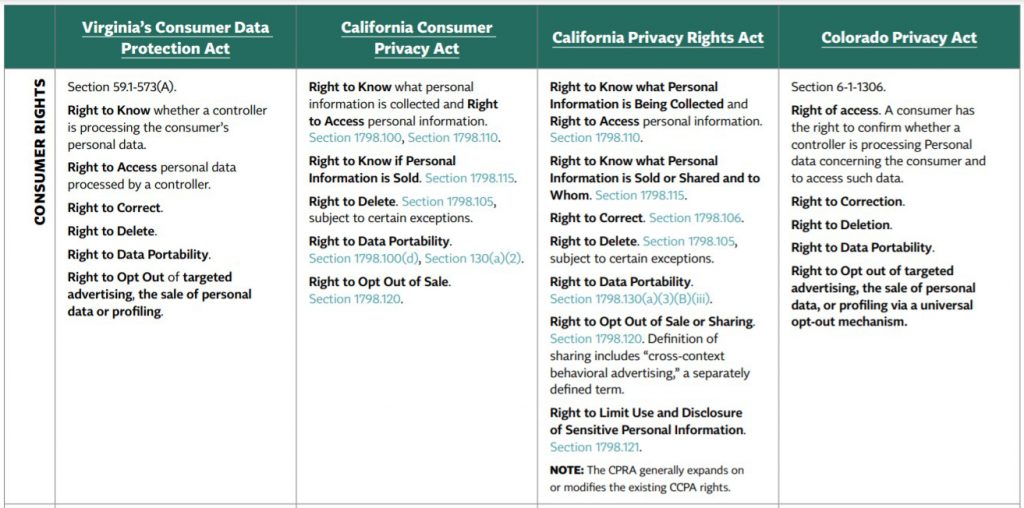
Please just click here a very useful document comparing the three sets of privacy laws (California, Virginia and Colorado – as per the above) in detail, with a useful overview of each law’s requirements and highlighting any similarities and differences.